 Tweet
Tweet
Jane Goodall Supports Rangers and The Thin Green Line Foundation
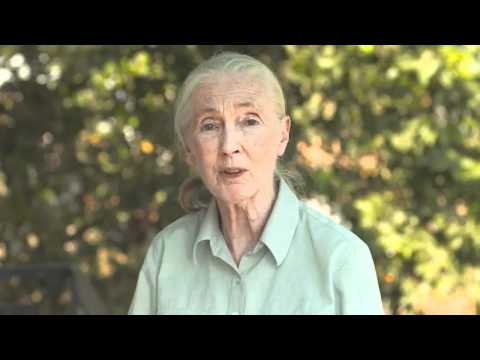
Jane Goodall, renowned chimpanzee researcher and conservationist, lends her support and endorsement to the rangers on the frontline of conservation around the world and to The Thin Green Line Foundation ( www.thingreenline.org.au ) - which supports the families of rangers killed, aswell as proactive community conservation projects to enable rangers to continue their passionate work protecting our endangered species and ecosystems.
*************************************
Ranger danger: risking death for our wildlife
By:Luke Wright | September-3-2010 Australian Geographic.
NO MATTER WHERE THEY'RE from - whether it's Australia or Africa, Canada or Colombia - most national park rangers have one thing in common - they share a deep sense of connection with nature. It's not a job they do for the money or the fame. It's the lure of working in the bush that gets these men and women out of bed each day to protect and preserve the world's national, state and provincial parks.
Over ten years doing his bit for the Australian bush, Sean Willmore thought he'd seen it all. There were plenty of close shaves with dangerous animals; terse exchanges with trigger-happy hunters and their blood-thirsty dogs; a drowning man off the coast of Victoria, whom he bravely attempted to save but sadly couldn't; and many other experiences most of us will never go in a day at the office.
It was at a 2003 International Ranger Federation (IRF) conference, however, that he began to learn about the serious challenges faced by rangers in other parts of the world.
At the conference, Willmore met with men who, while on the job, had been shot with high-powered weapons and slashed with machetes. He was told about commercial poachers and mad-eyed militias with AK47s in Africa, drug lords in South America, illegal loggers in Southeast Asia, and more.
He found it difficult to comprehend the threats these people faced while going about the business of protecting their patch - often for little, if any, reward. "I realised at the IRF get-together that these blokes are truly on the front line of conservation work," says Willmore. "They put their lives at risk, all in the name of looking after endangered species."
Documenting bravery
Sean Willmore with a Ugandan park ranger
For Willmore, the meeting with his international colleagues was a moving and life-changing experience. "How would we feel if rangers were being shot at and killed in Kakadu?" he asks. Soon after, he put his life on hold, cashed in all his chips and set off across the world with a vague plan to document the stories of these brave people. With no journalistic experience, and armed with only a small hand-held video camera, he jumped in the deep end of documentary making.
Taking almost 12 months to travel through 23 countries, and with special access to many remote wilderness areas because of his ranger status, Willmore managed to capture hours of incredible footage and to uncover the inspiring stories of the ranger friends he made along the way.
One such story is that of John Makambo, a Ugandan ranger who is tasked with keeping safe 300 of the world's 700 remaining mountain gorillas. In the line of duty, he regularly deals with gun-toting rebels and commercial poachers. More than 150 park rangers have been killed in Uganda over the last ten years.
"These people have been tortured, maimed and killed - their wives and children then left to fend for themselves," says Willmore. "We all want to make sure the gorillas are protected, but who's got John Makambo's back?"
When Willmore arrived back in Australia, he pieced together the footage and went to work trying to get the documentary shown to the public. He never expected such a huge response.
In July 2007 The Thin Green Line premiered in 35 countries and captured the hearts of people worldwide. Even Governor Arnold Schwarzenegger jumped on the bandwagon, declaring July 31 California State Park Ranger Day.
As successful as the film was, the question at its core - who will support these rangers and their families? - inspired Willmore to do more. Soon after, he set up The Thin Green Line Foundation, a not-for-profit organisation dedicated to financing rangers and their widows and projects in their communities.
With high-profile support from the likes of Bryce Courtenay, Tim Flannery and Xavier Rudd, and with countless hours of his own unpaid work, Willmore is today proudly helping better the lives of the people who are working on front line of environmentalism.
Willmore is emotional when recounting how he provided cash from the fundraising to the widow of a ranger killed at work. "She looked at me a simply said, 'You're not just giving us money; you're giving us hope.'"
http://www.australiangeographic.com....green-line.htm
The Thin Green Line - 7:30 Report ABC Australia.
Aussie park ranger Sean Willmore, armed with a borrowed camera, set out in 2004 to create a documentary about the dangers of his work. This piece on the 7:30 Report gained him the sponsorship needed to complete the film.
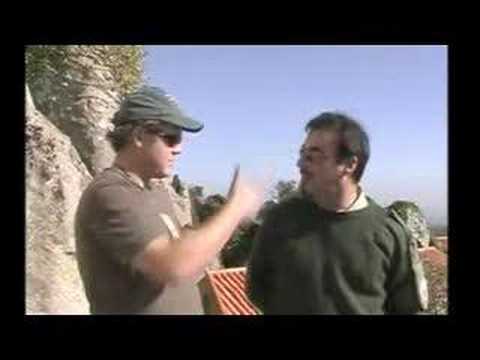
Ranger Danger promo
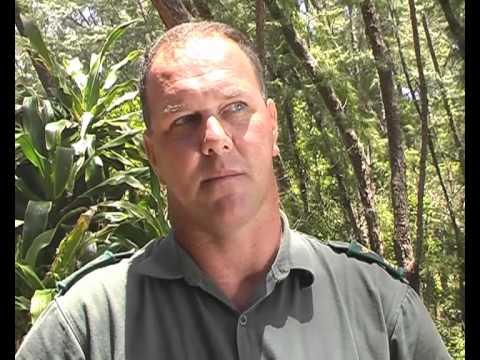
Jane Goodall, renowned chimpanzee researcher and conservationist, lends her support and endorsement to the rangers on the frontline of conservation around the world and to The Thin Green Line Foundation ( www.thingreenline.org.au ) - which supports the families of rangers killed, aswell as proactive community conservation projects to enable rangers to continue their passionate work protecting our endangered species and ecosystems.
*************************************
Ranger danger: risking death for our wildlife
By:Luke Wright | September-3-2010 Australian Geographic.
NO MATTER WHERE THEY'RE from - whether it's Australia or Africa, Canada or Colombia - most national park rangers have one thing in common - they share a deep sense of connection with nature. It's not a job they do for the money or the fame. It's the lure of working in the bush that gets these men and women out of bed each day to protect and preserve the world's national, state and provincial parks.
Over ten years doing his bit for the Australian bush, Sean Willmore thought he'd seen it all. There were plenty of close shaves with dangerous animals; terse exchanges with trigger-happy hunters and their blood-thirsty dogs; a drowning man off the coast of Victoria, whom he bravely attempted to save but sadly couldn't; and many other experiences most of us will never go in a day at the office.
It was at a 2003 International Ranger Federation (IRF) conference, however, that he began to learn about the serious challenges faced by rangers in other parts of the world.
At the conference, Willmore met with men who, while on the job, had been shot with high-powered weapons and slashed with machetes. He was told about commercial poachers and mad-eyed militias with AK47s in Africa, drug lords in South America, illegal loggers in Southeast Asia, and more.
He found it difficult to comprehend the threats these people faced while going about the business of protecting their patch - often for little, if any, reward. "I realised at the IRF get-together that these blokes are truly on the front line of conservation work," says Willmore. "They put their lives at risk, all in the name of looking after endangered species."
Documenting bravery
Sean Willmore with a Ugandan park ranger
For Willmore, the meeting with his international colleagues was a moving and life-changing experience. "How would we feel if rangers were being shot at and killed in Kakadu?" he asks. Soon after, he put his life on hold, cashed in all his chips and set off across the world with a vague plan to document the stories of these brave people. With no journalistic experience, and armed with only a small hand-held video camera, he jumped in the deep end of documentary making.
Taking almost 12 months to travel through 23 countries, and with special access to many remote wilderness areas because of his ranger status, Willmore managed to capture hours of incredible footage and to uncover the inspiring stories of the ranger friends he made along the way.
One such story is that of John Makambo, a Ugandan ranger who is tasked with keeping safe 300 of the world's 700 remaining mountain gorillas. In the line of duty, he regularly deals with gun-toting rebels and commercial poachers. More than 150 park rangers have been killed in Uganda over the last ten years.
"These people have been tortured, maimed and killed - their wives and children then left to fend for themselves," says Willmore. "We all want to make sure the gorillas are protected, but who's got John Makambo's back?"
When Willmore arrived back in Australia, he pieced together the footage and went to work trying to get the documentary shown to the public. He never expected such a huge response.
In July 2007 The Thin Green Line premiered in 35 countries and captured the hearts of people worldwide. Even Governor Arnold Schwarzenegger jumped on the bandwagon, declaring July 31 California State Park Ranger Day.
As successful as the film was, the question at its core - who will support these rangers and their families? - inspired Willmore to do more. Soon after, he set up The Thin Green Line Foundation, a not-for-profit organisation dedicated to financing rangers and their widows and projects in their communities.
With high-profile support from the likes of Bryce Courtenay, Tim Flannery and Xavier Rudd, and with countless hours of his own unpaid work, Willmore is today proudly helping better the lives of the people who are working on front line of environmentalism.
Willmore is emotional when recounting how he provided cash from the fundraising to the widow of a ranger killed at work. "She looked at me a simply said, 'You're not just giving us money; you're giving us hope.'"
http://www.australiangeographic.com....green-line.htm
The Thin Green Line - 7:30 Report ABC Australia.
Aussie park ranger Sean Willmore, armed with a borrowed camera, set out in 2004 to create a documentary about the dangers of his work. This piece on the 7:30 Report gained him the sponsorship needed to complete the film.
Ranger Danger promo
Comment